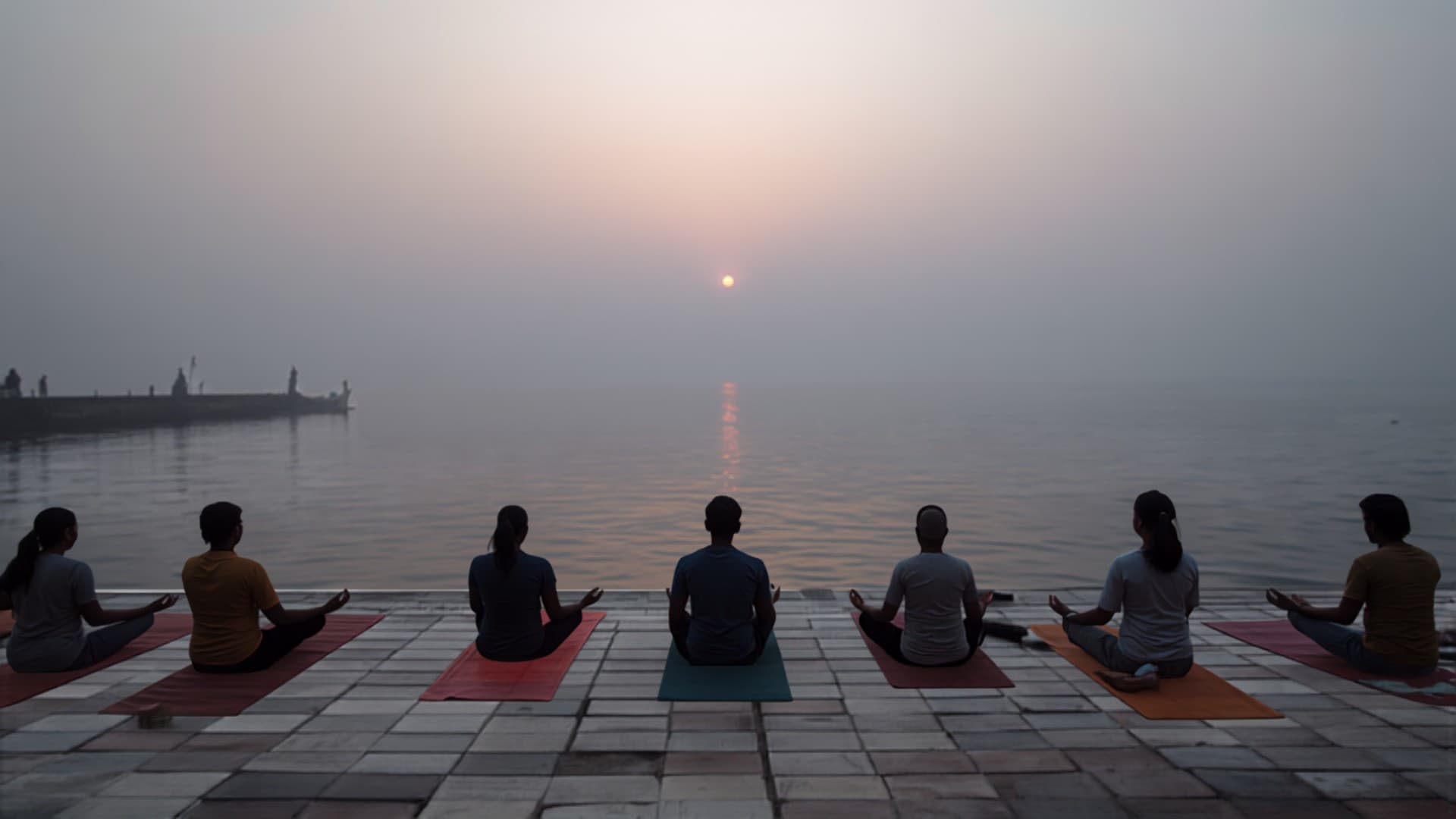
varanasi · 12 March 2026
Subah-e-Banaras diary
Yoga, mantra and river mist at Assi — the city's public morning before the lanes explode.
Read story →
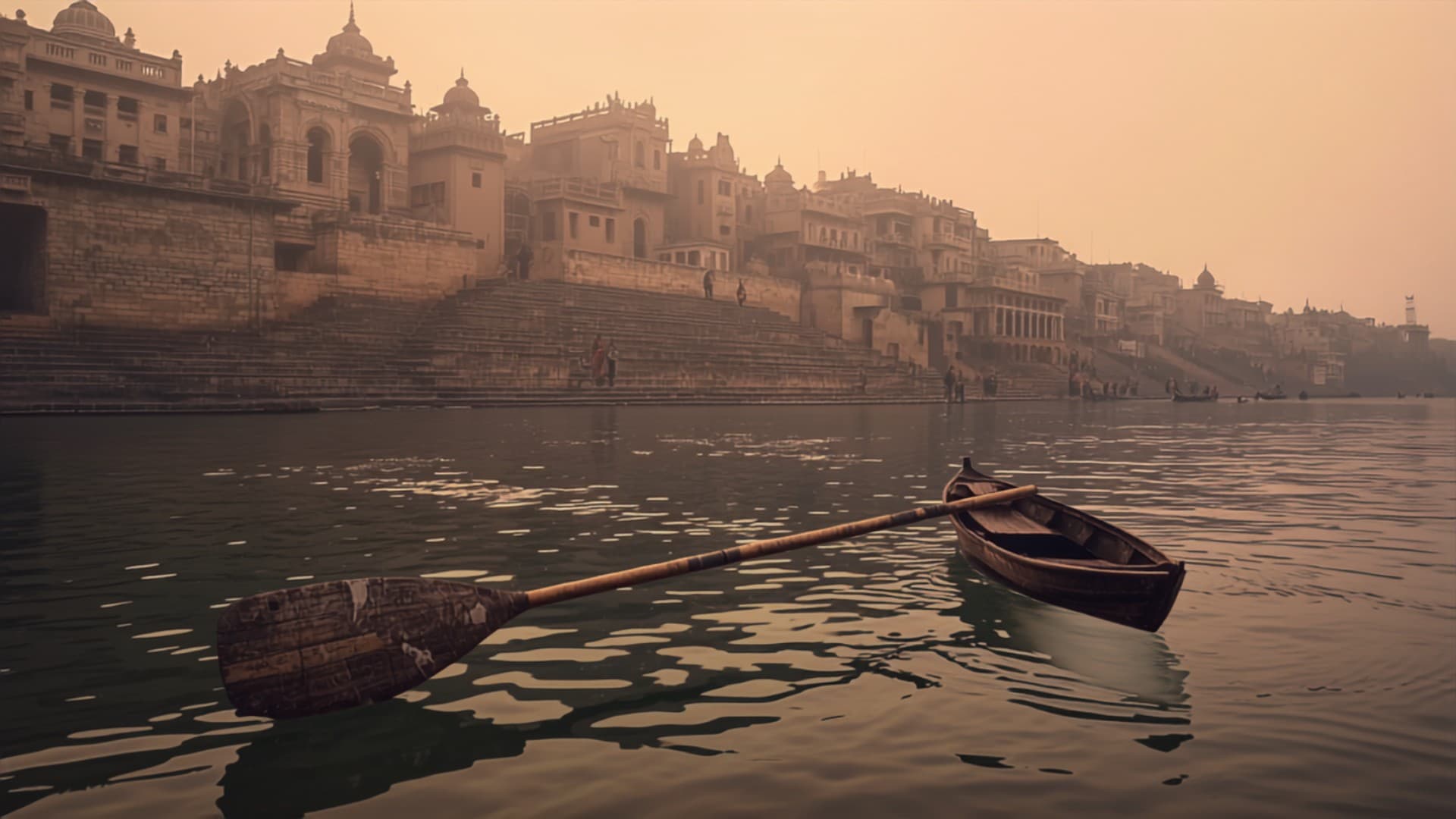
Moksh · Varanasi · 11 March 2026
From Assi to Raj Ghat by boat — how to read Varanasi's eighty-four landings as a single geography of faith.
Assi Ghat shrinks behind you. Ahead, the bank unrolls — landing after landing, each with its own smell: laundry soap, ghee, wood smoke, marigold rotting sweet in the sun.
Eighty-four ghats is a number in books. In a boat it is hours of not being able to look away.
Most visitors see three ghats and call it Varanasi. That is like reading the first page of a novel and saying you know the plot. If you have one morning to spare, spend it on the water before the city wakes fully — when doms still stack wood upstream and bathers are only silhouettes.
Your boatman names what you pass — Tulsi Ghat where poets prayed, Manikarnika where smoke rises even as you float, Dashashwamedh where evening will explode with lamps though morning is still quiet.
You do not need to memorise every name on first pass. You need to notice pattern: bathing ghats with steps and rings; cremation ghats with wood stacks; palace ghats with crumbling Rajput balconies; student ghats where yoga mats appear at dawn.
The river holds contradictions without sorting them. That is the lesson the eighty-four ghats teach together — life, death, laundry, prayer, tourism, renunciation — one shoreline.

The full eighty-four ghats boat tour takes hours if done with respect — not a twenty-minute selfie loop. Start at first light when oil lamps still gutter on water and mourners are visible only as quiet clusters upstream.
Wear a hat. Carry water. Negotiate price before push-off; tip for narration if earned. Do not expect the boat to pause indefinitely at cremation steps; witness from distance unless invited ashore.
Mid-river, turn and look back: the ghats line reads as a single wall of human intention — laundry, yoga, cremation smoke, palace decay — all stitched to one bank. No textbook diagram captures it; your body remembers instead.
Land once, maybe twice — Dashashwamedh for chai, a temple lane if your knees agree. The boat gives context; your feet give detail.
Travellers who temple-hop without the river often leave confused: too many names, too many lanes. The boat orders the city along its natural spine. Afterward, every ghat you walk to on foot clicks into place like a pin on a map you already felt.
Pair the arc with an evening aarti and a slow hour at Manikarnika on separate days — the Spiritual Circuit package spaces them so you absorb instead of accumulate.

No other city offers this length of sacred waterfront intact. Venice has canals; Varanasi has confession at scale.
When you want all eighty-four names held in one morning with a boatman who knows which current today allows — plan your trip and we will put the full river on your first dawn.
Plan your pilgrimage
Kashi rewards those who arrive with time and respect. Share your dates and we will help you build the rhythm — ghats, temples, and river — at your pace.
Plan your tripKeep reading
varanasi · 12 March 2026
Yoga, mantra and river mist at Assi — the city's public morning before the lanes explode.
Read story →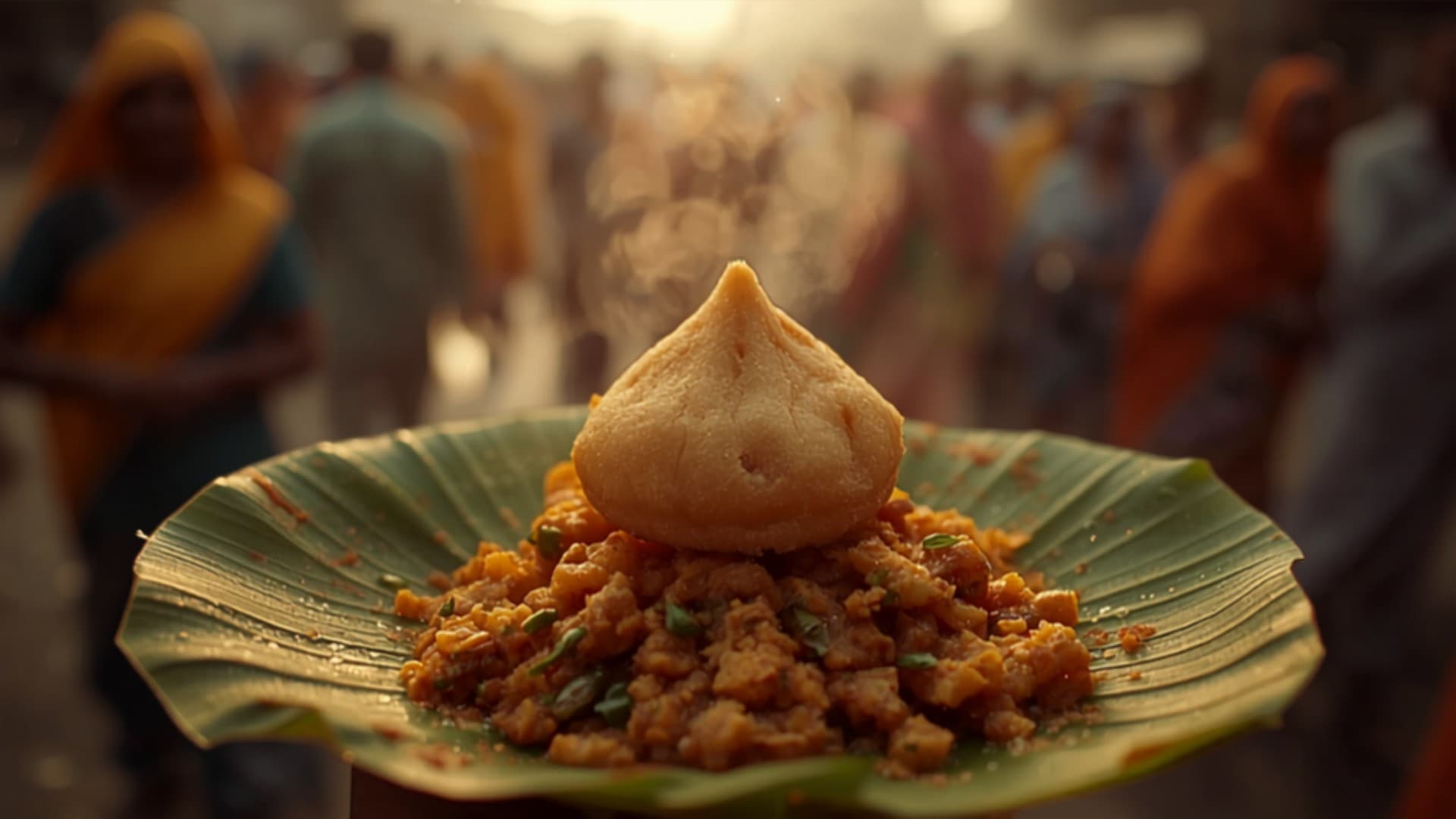
varanasi · 10 March 2026
The city eats before the sun hits the river — a morning route through kachori, jalebi and the lanes that fuel pilgrimage.
Read story →Places in this story
linked stops
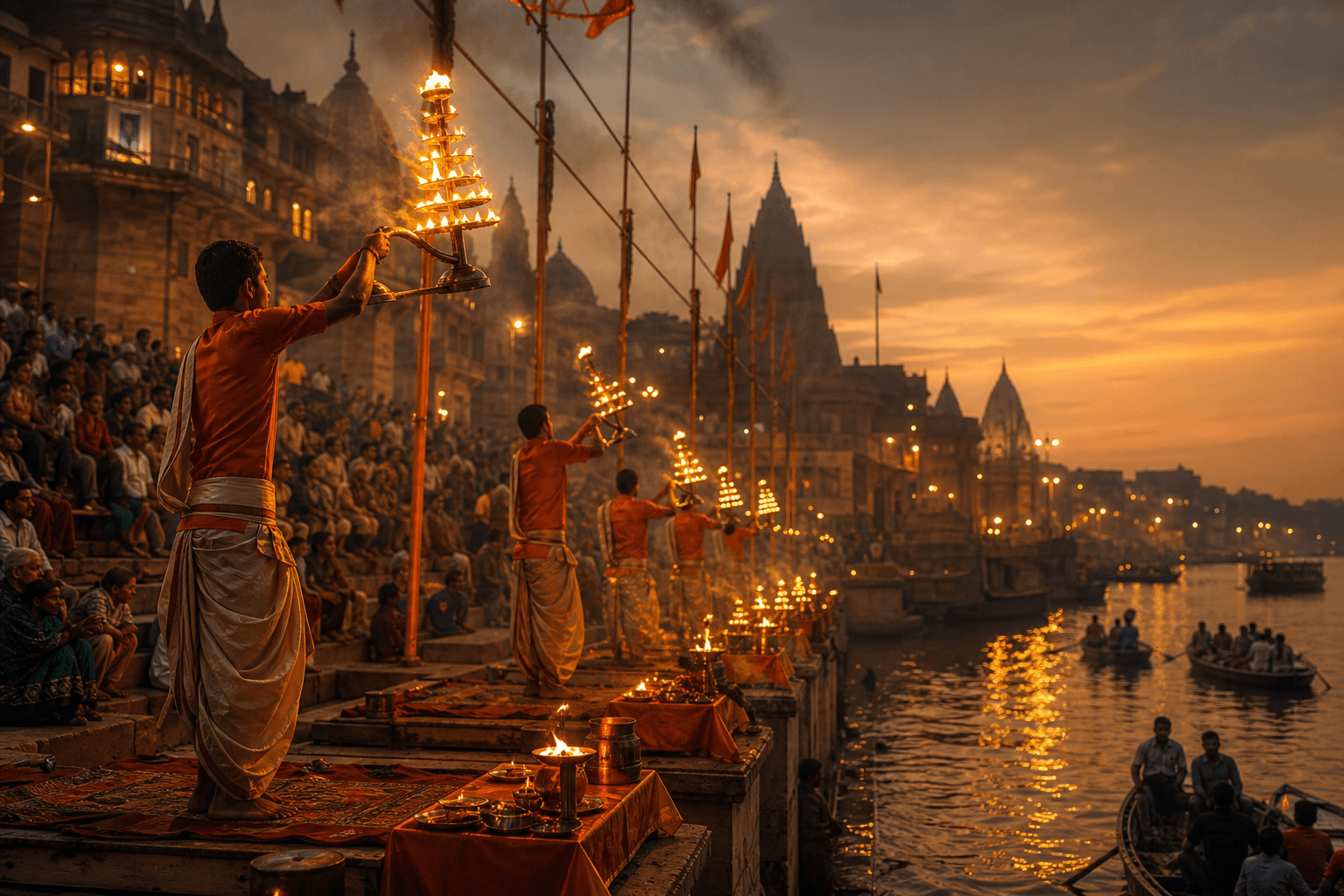 experience
The full river read — Assi to Adi Keshava by rowboat, stopping at Man Mandir, Panchganga, and the ghats between.
Explore →attractionThe southernmost main ghat — sunrise yoga, boat landings, and student cafés where the Assi meets the Ganga.
Explore →attractionKashi's principal cremation ghat — where pyres burn beside the Ganga and liberation is sought through fire.
Explore →